Sedona, Arizona
"Whatever path bought you here, there is a reason why you came. Though you may not know it now. So, please open your ears and listen, listen to the message that Sedona has for you."
— Ilchi Lee
About
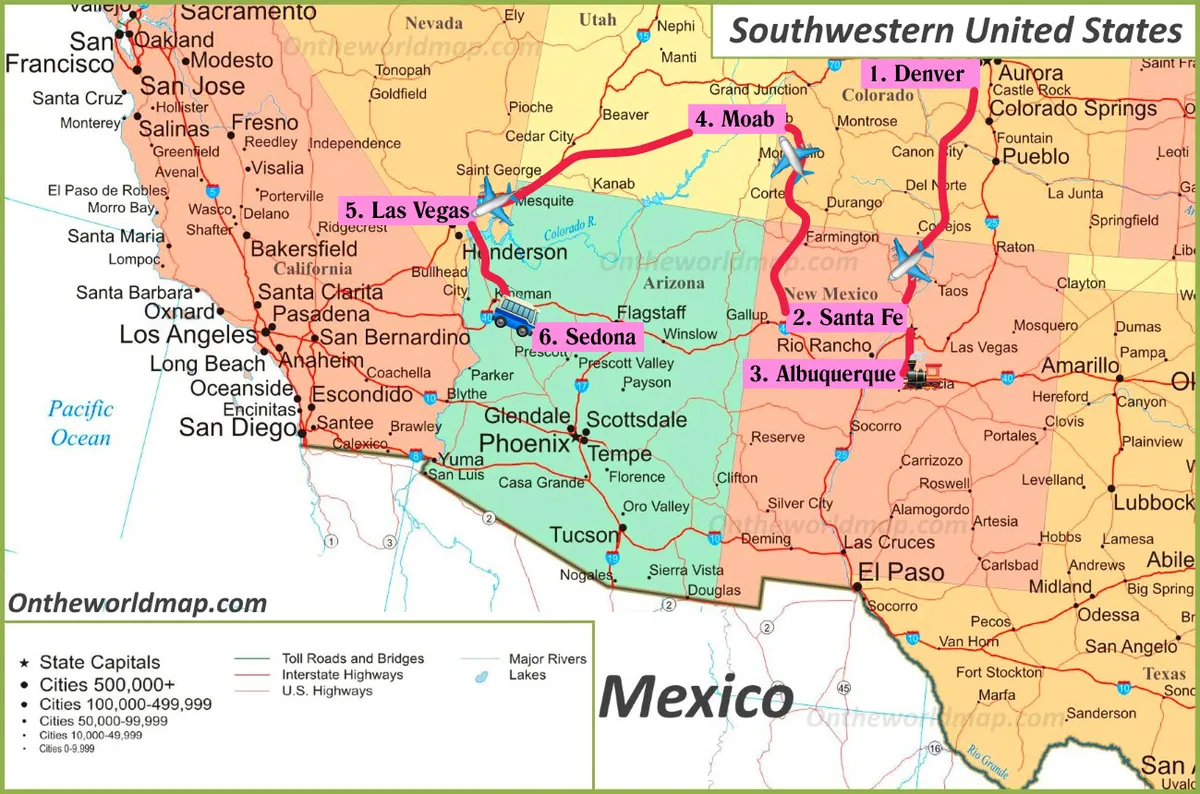
Sedona is a small city in northern Arizona, about two hours north of Phoenix, and is known for its red sandstone formations, which get their colour from iron oxide. The landscape is famously featured in many Hollywood Westerns and the town is also regarded as one of the main spiritual centres in the US (similar to Santa Fe) because of its vortex sites, which are believed to have healing energy.
Photos
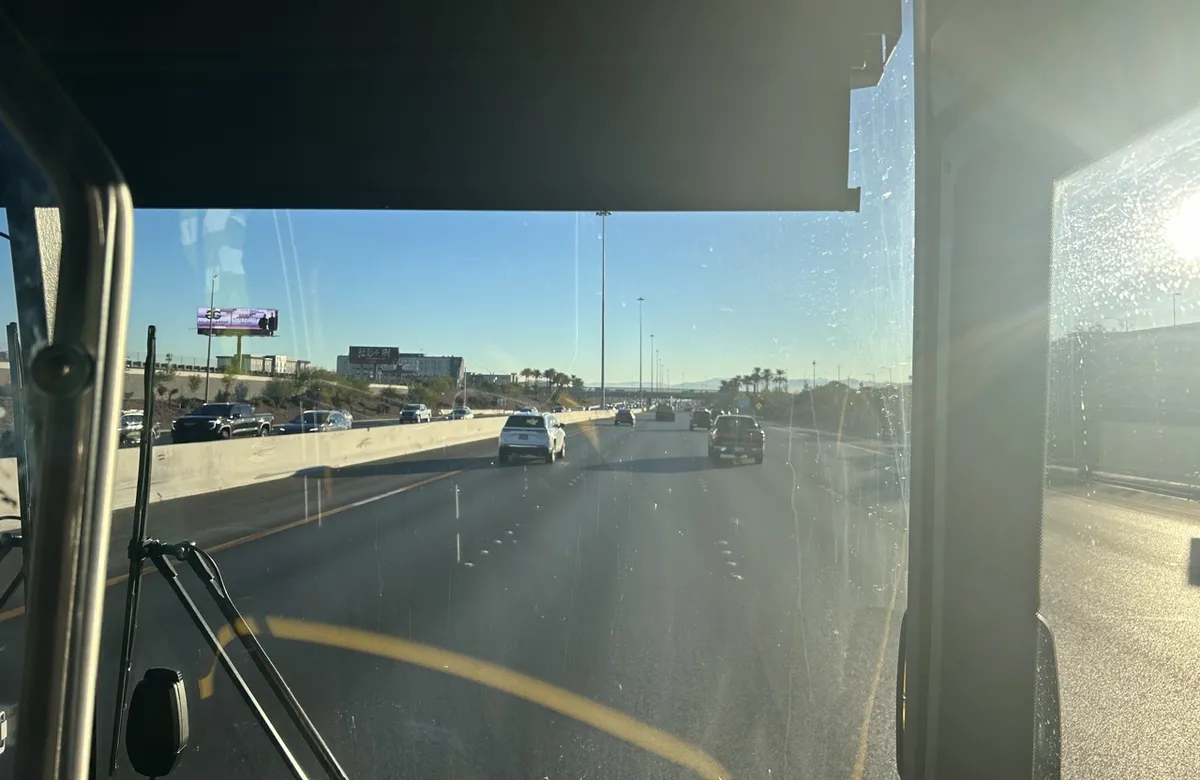 Leaving Las Vegas at 6am for Sedona.
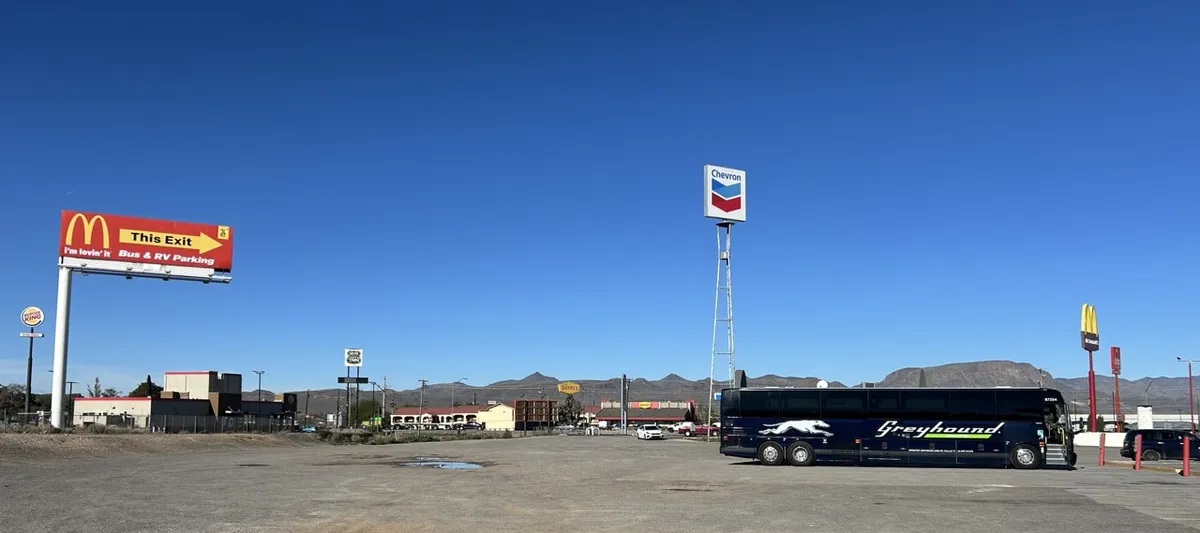 I took the Greyhound bus and was able to book the 'neighbour-free' front seat for an extra $20, well worth it.
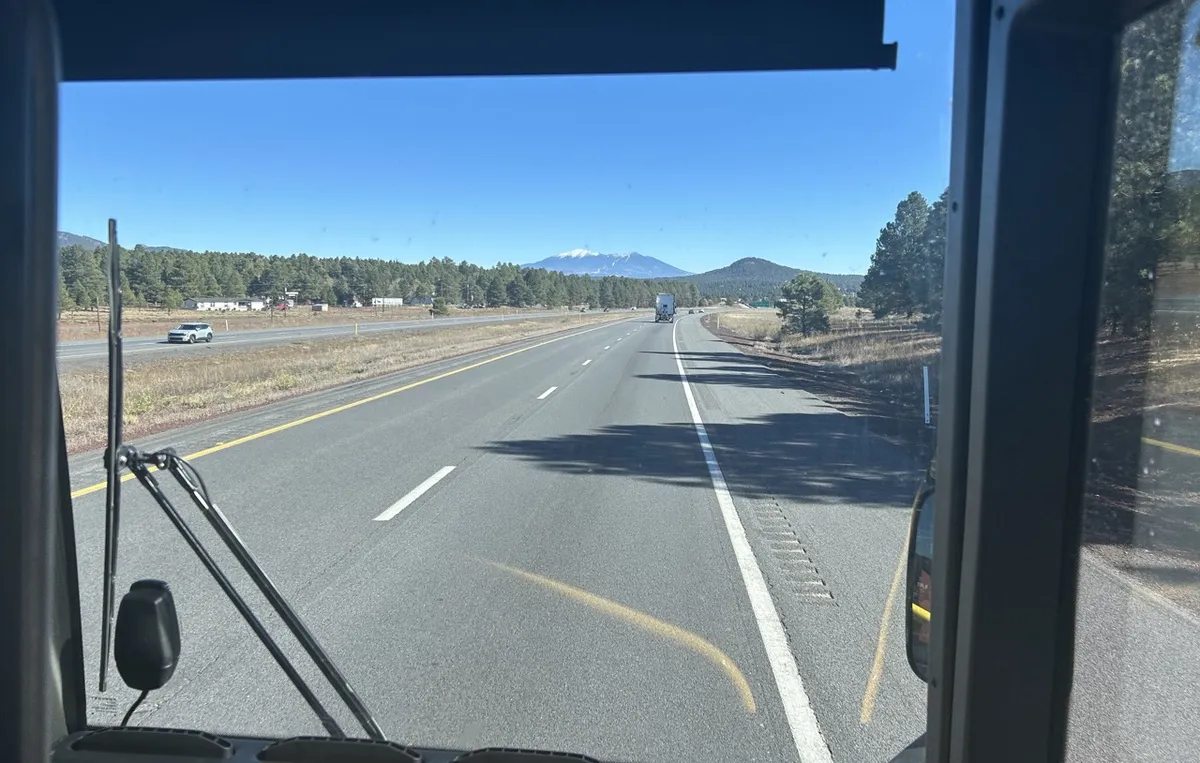 Scenery changing as we pass the Grand Canyon and head closer to Flagstaff, with the San Francisco peaks in the background.
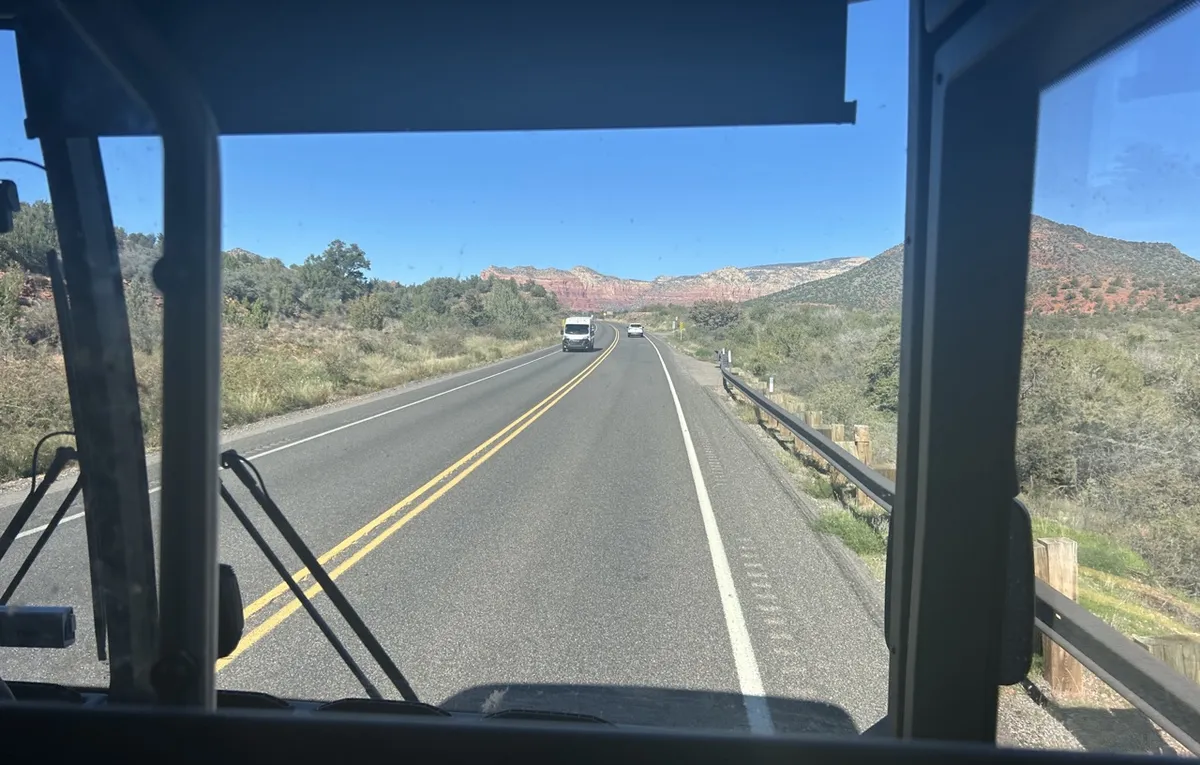 After 6 hours, this was my first glimpse of Sedona.
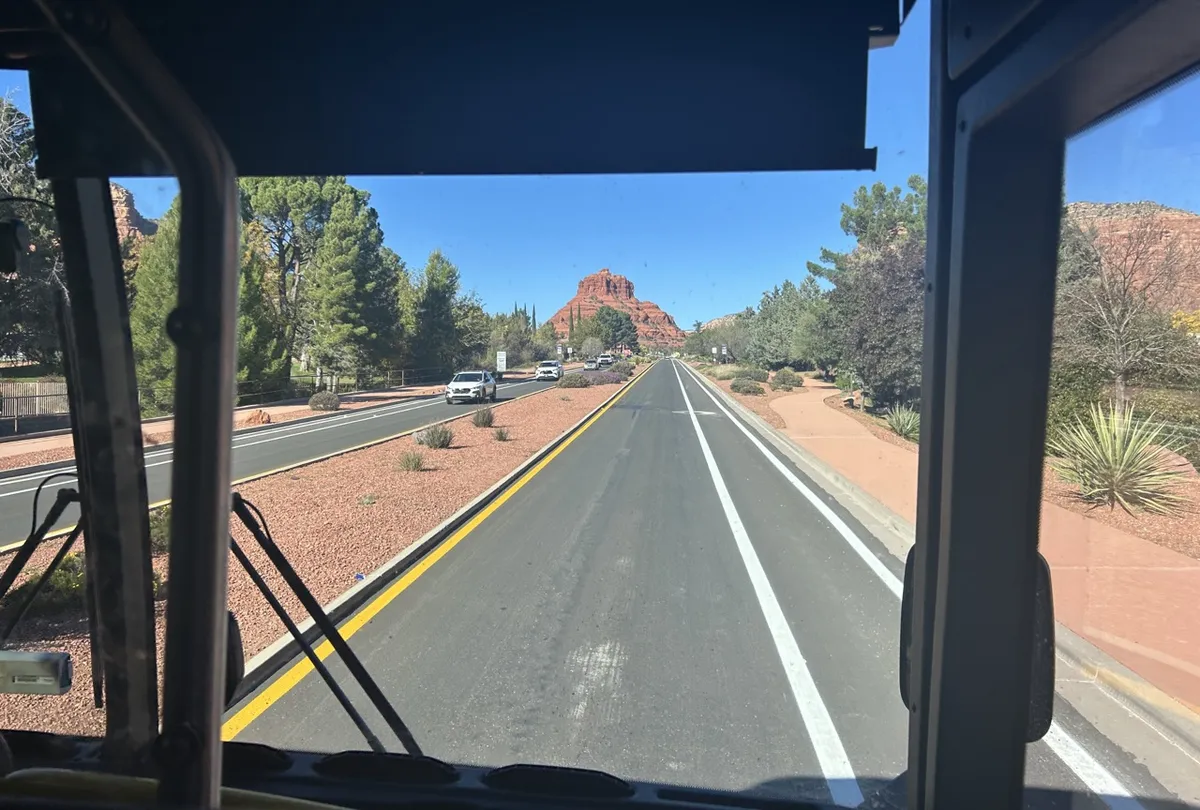 It was really thrilling to see the pink and red sandstone for the first time, after only seeing images online.
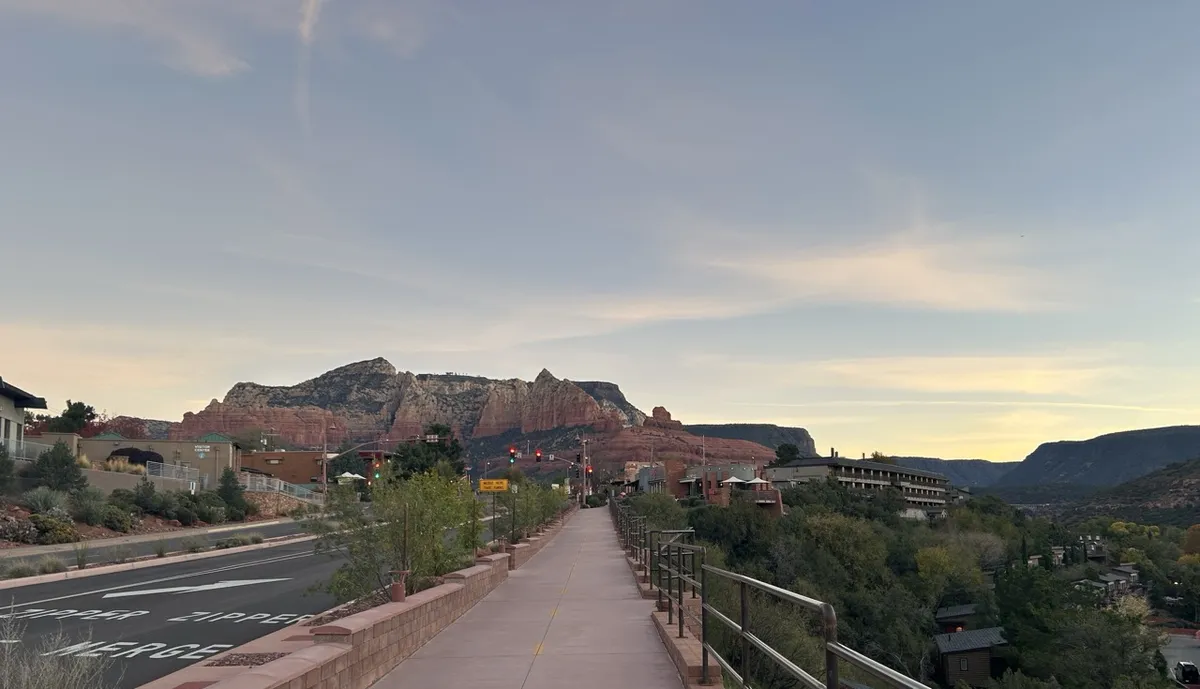 Arriving in Sedona Uptown.
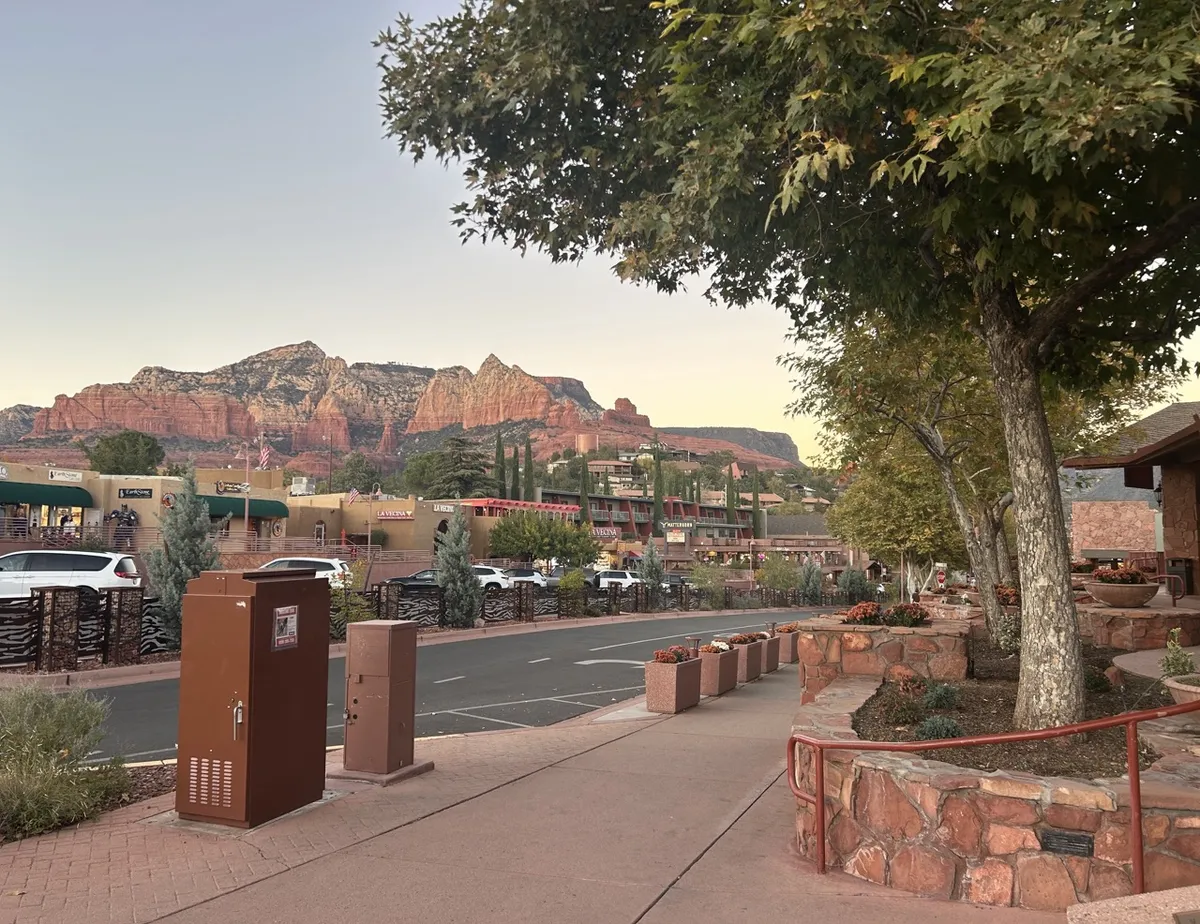 The city covers around 18 square miles, however the Uptown area is the historic and commercial heart, with walkable streets and lots of cultural stops.
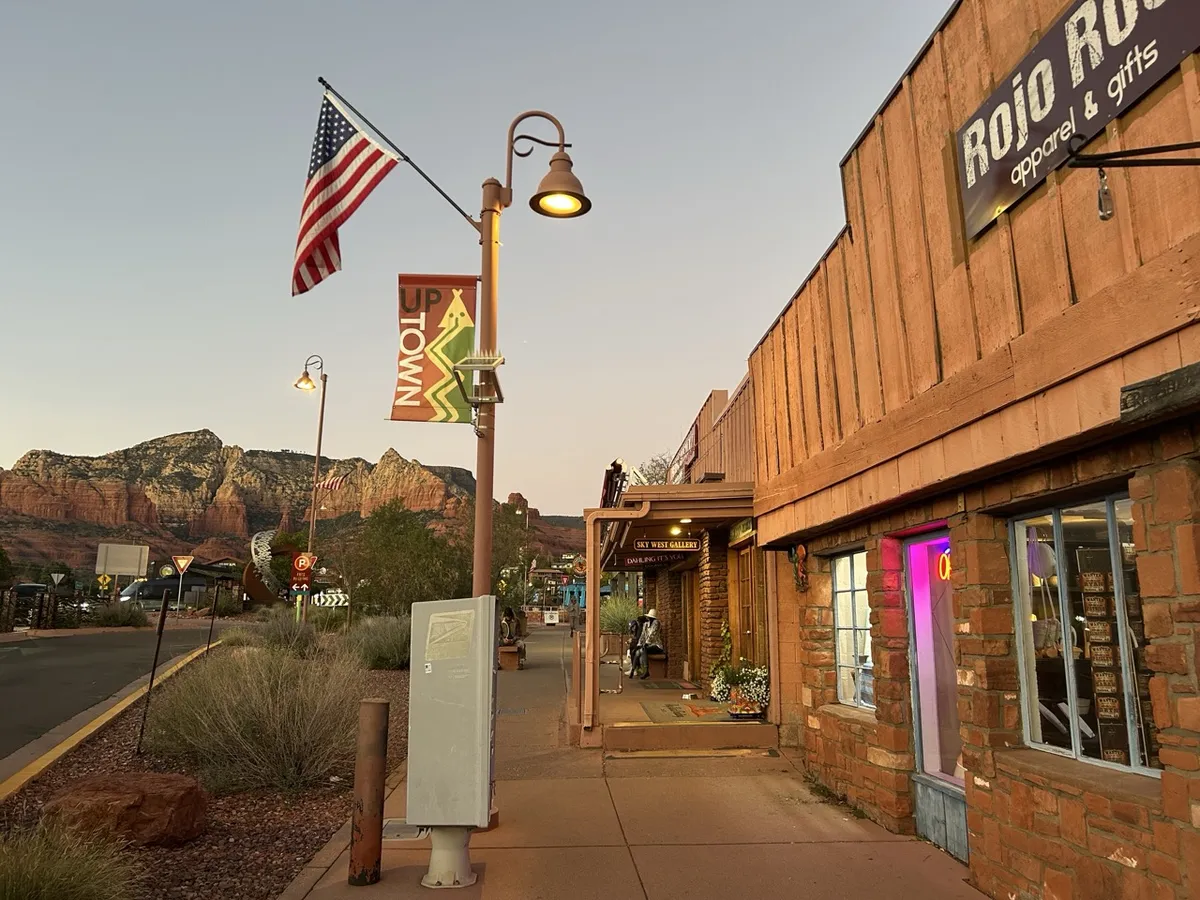 A mix of boutiques, art galleries, and Native American jewellery stores.
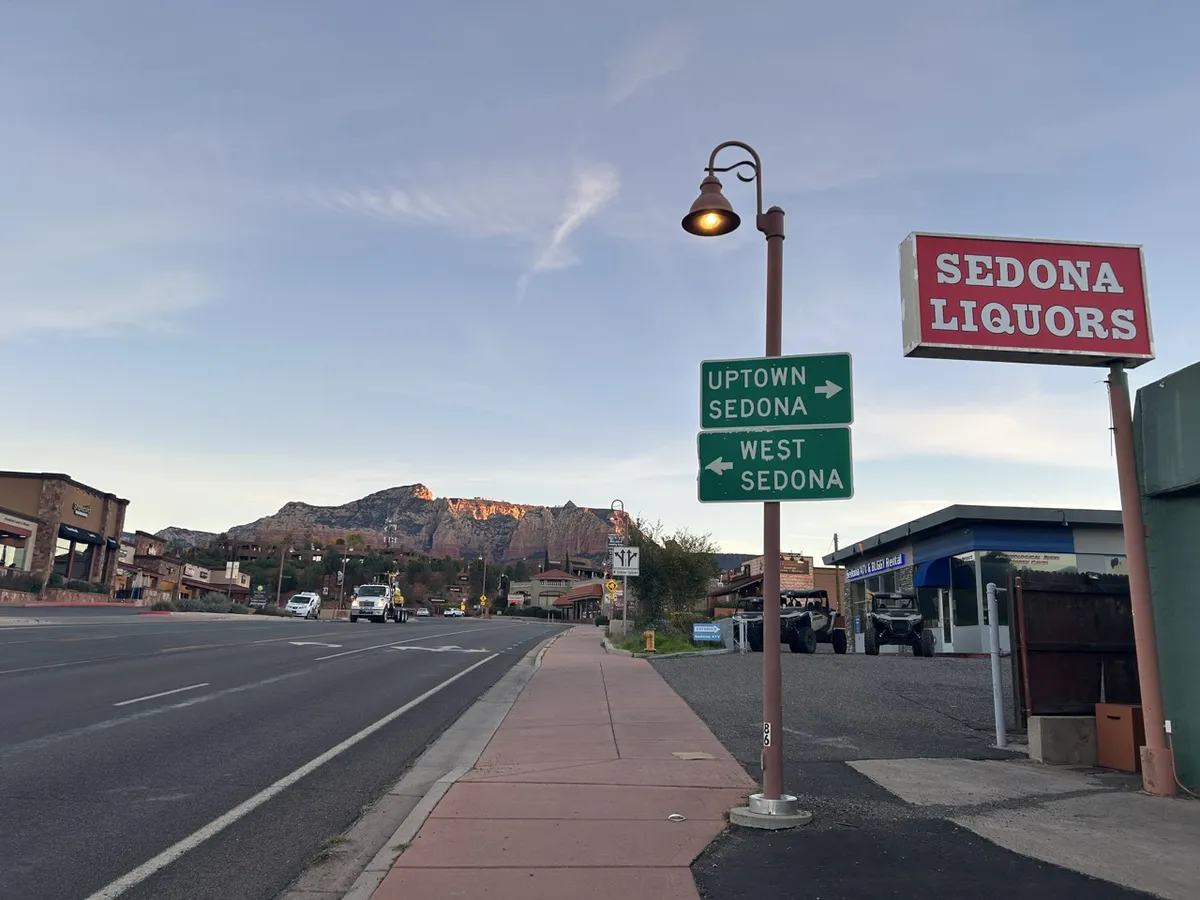 Sedona Liquors opened in the 1970s and was famous for being a 'drive-in' spot to pick up drinks from around the globe.
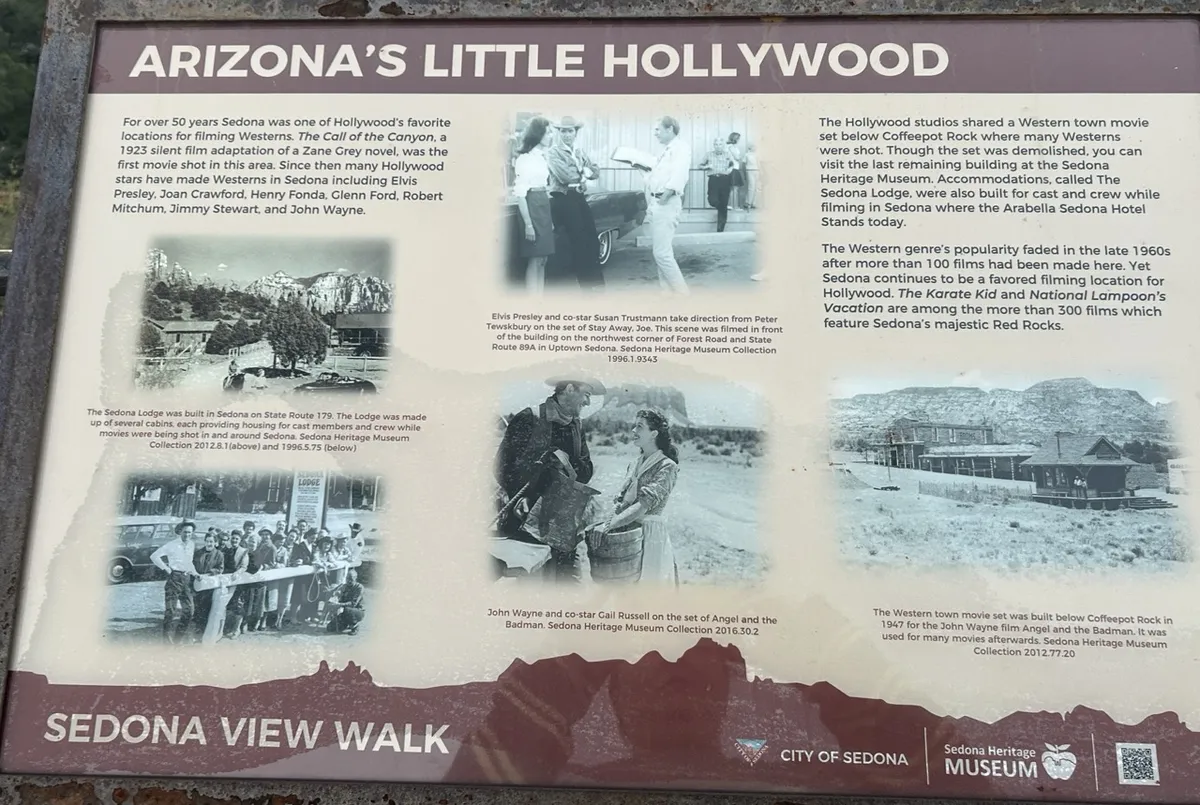 The city has been used as a filming location for hundreds of Westerns, particularly in the 50s-70s. Elvis Presley, John Wayne, Joan Crawford, and Clint Eastwood have all made films here.
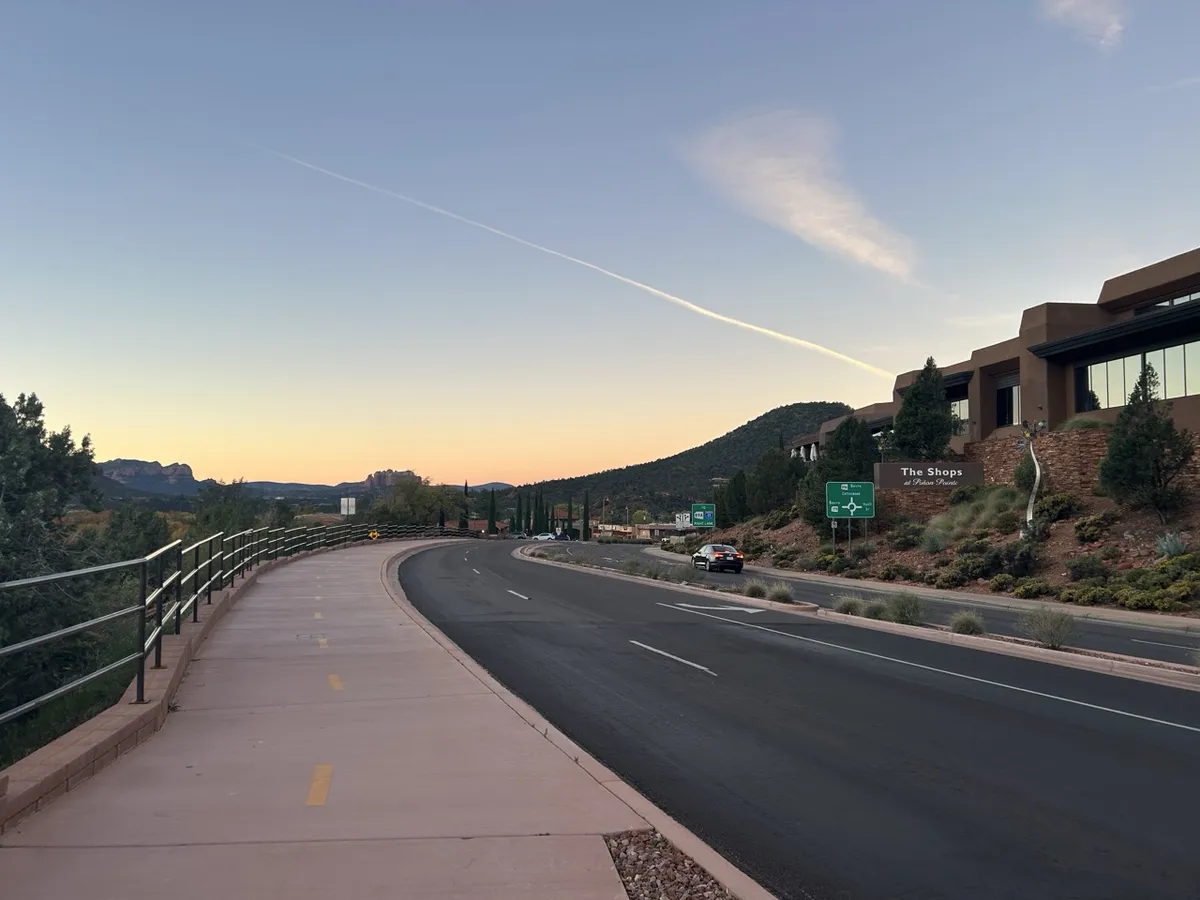 'The Shops' - a small shopping mall.
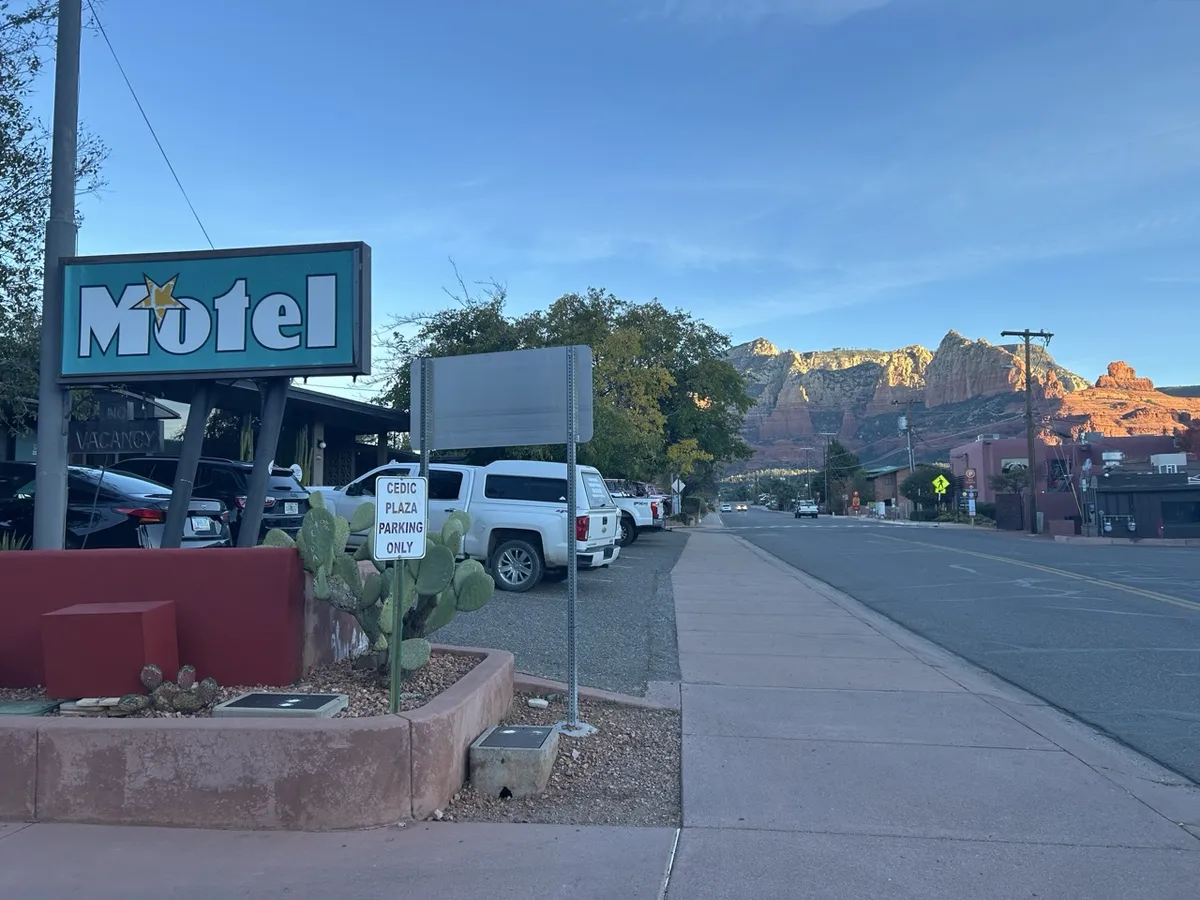 Views from the more residential side of uptown, with lots of motels and lodges.
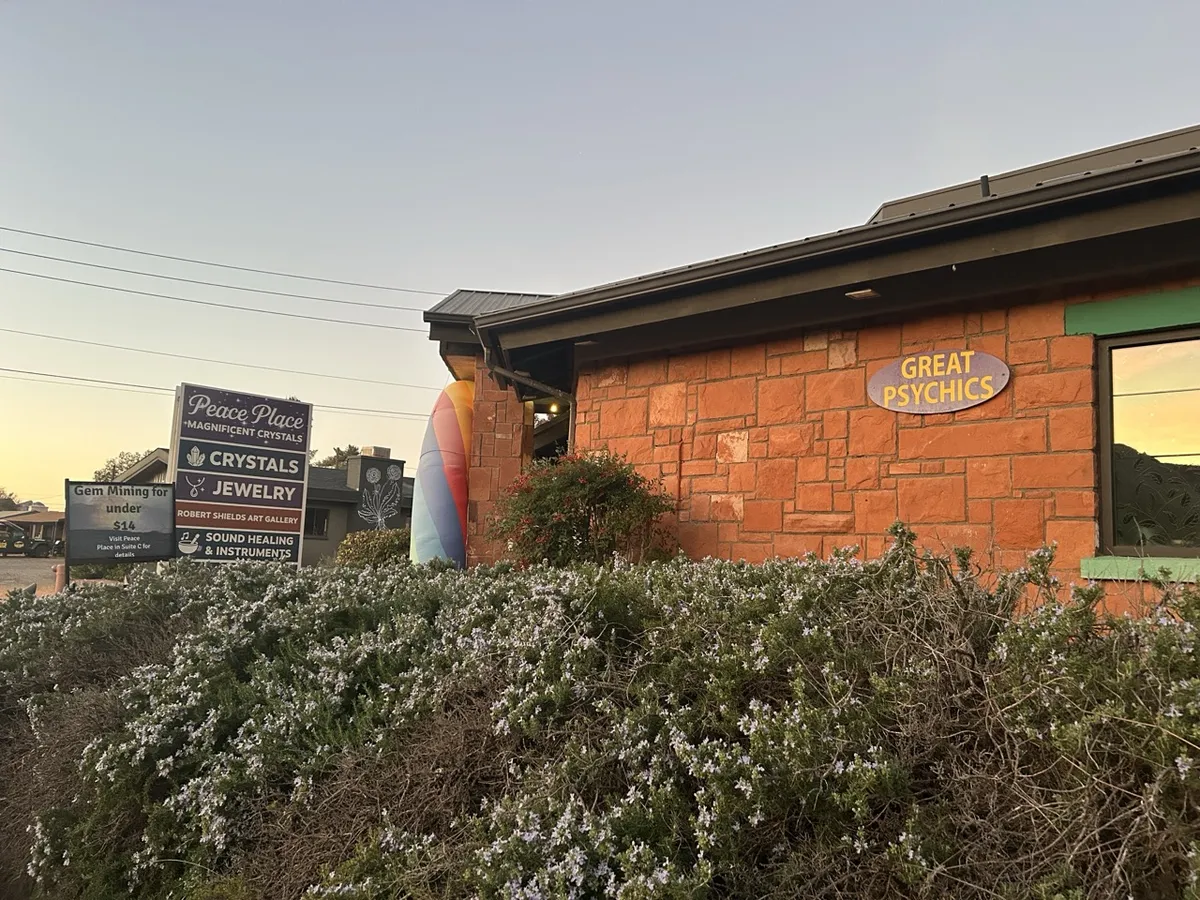 Amongst the jewellery and art shops, Sedona is full of spiritual offerings like crystals, psychic readings, and sound baths. It's one of the most famous healing and meditation meccas in the world, mainly due to the energy vortexes in the mountains (will explain more in one of my last photos).
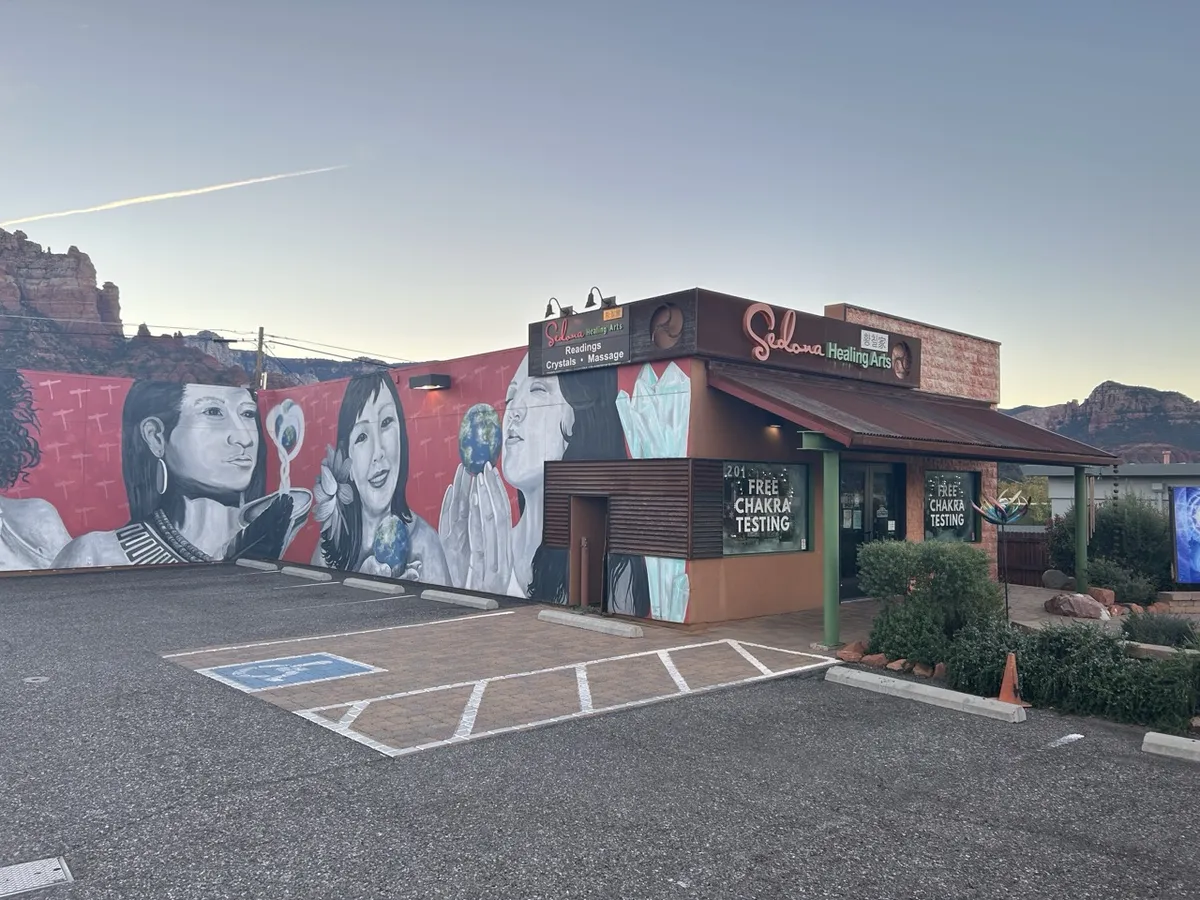 The healing arts centre.
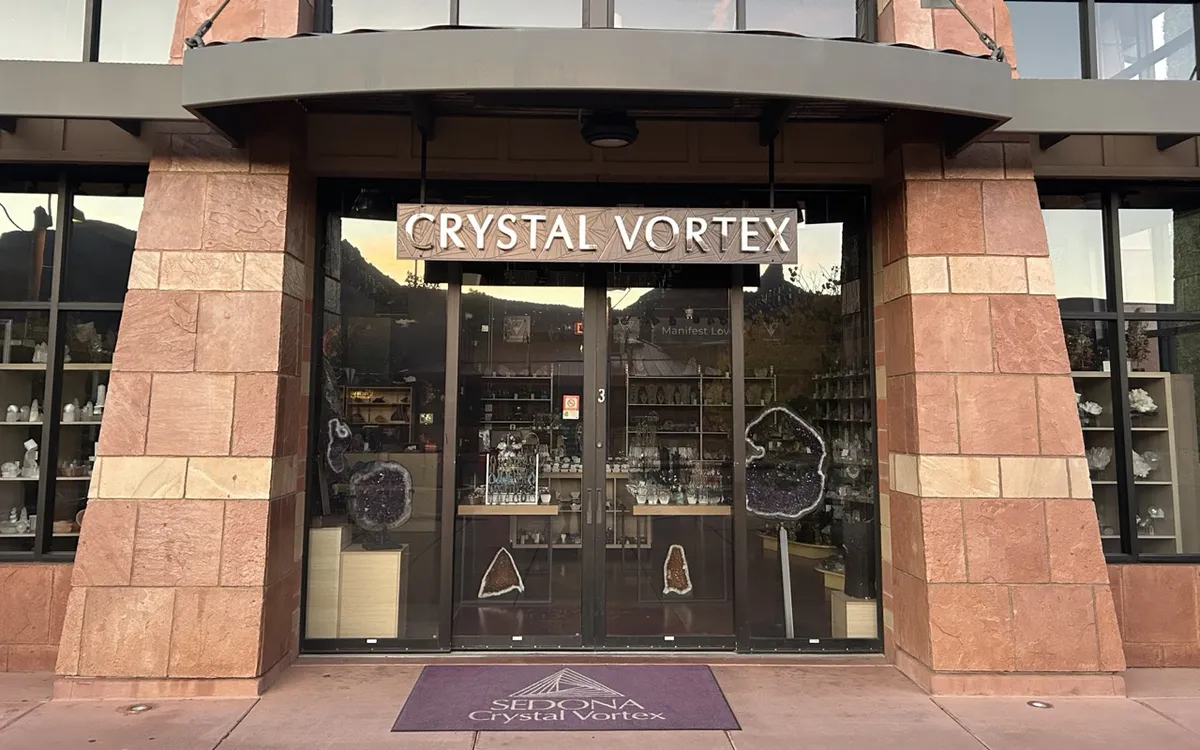 My favourite crystal shop - I spent an hour in here and picked up 10 different stones, including turquoise, amethyst, and quartz.
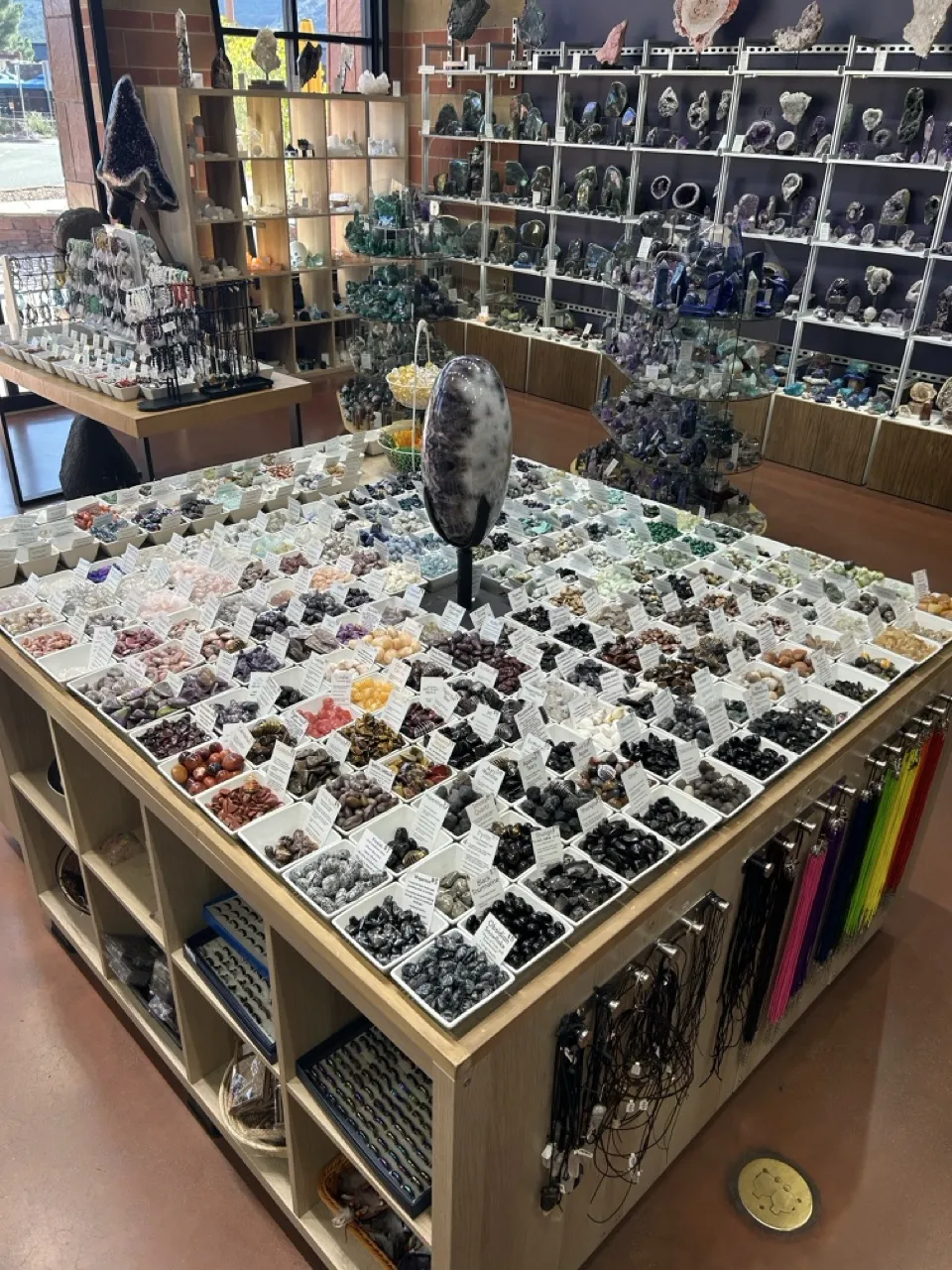 A stone for every need!
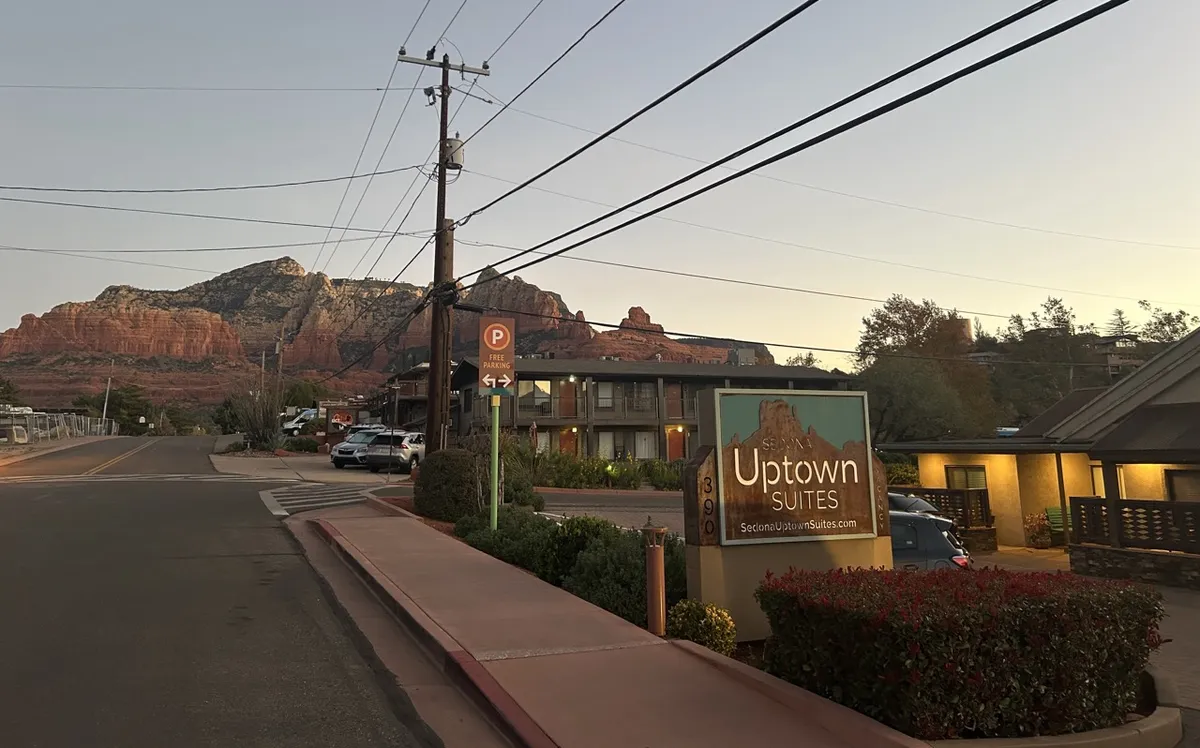 My hotel for the night - I stayed in the 'Uptown Suites', which was closer to a lodge than a motel with lovely views of the mountains from my balcony and a firepit.
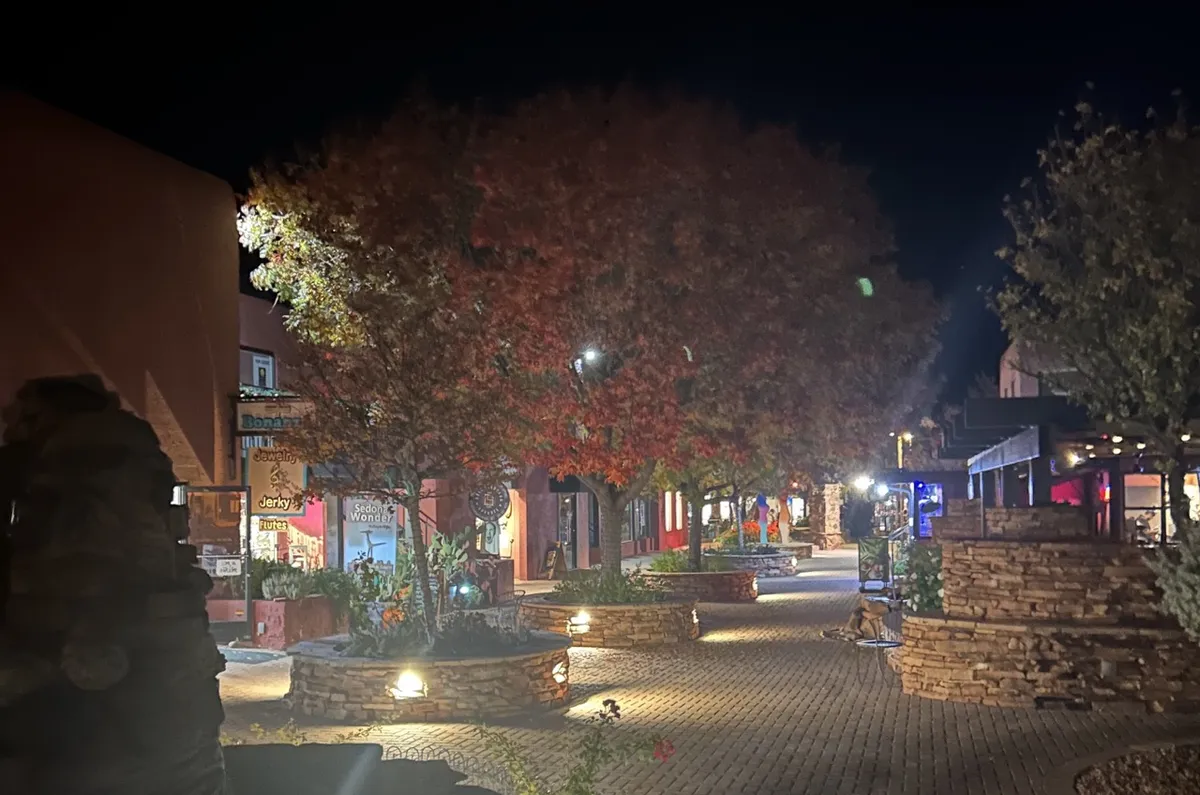 The city shuts down early and by 7pm, only a couple of restaurants were still open. Authorities enforce strict outdoor codes to prevent light pollution and because of the focus on wellness and day-hiking, there's no nightlife culture.
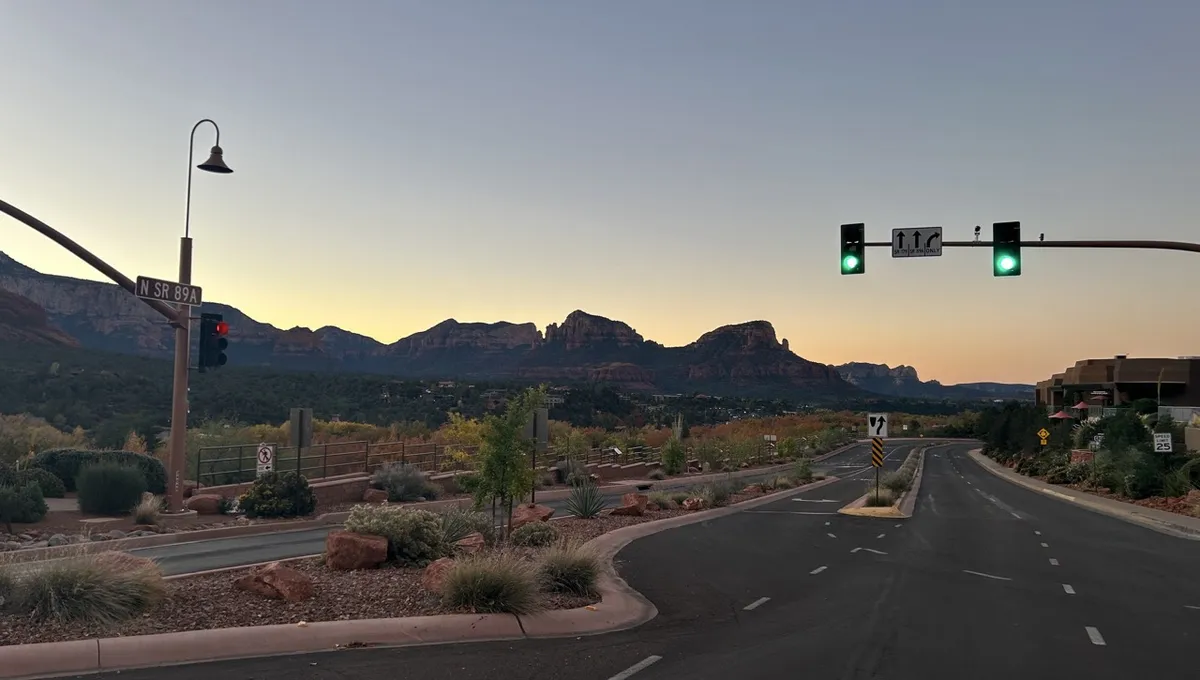 Another early morning start, this time for my mountain tour.
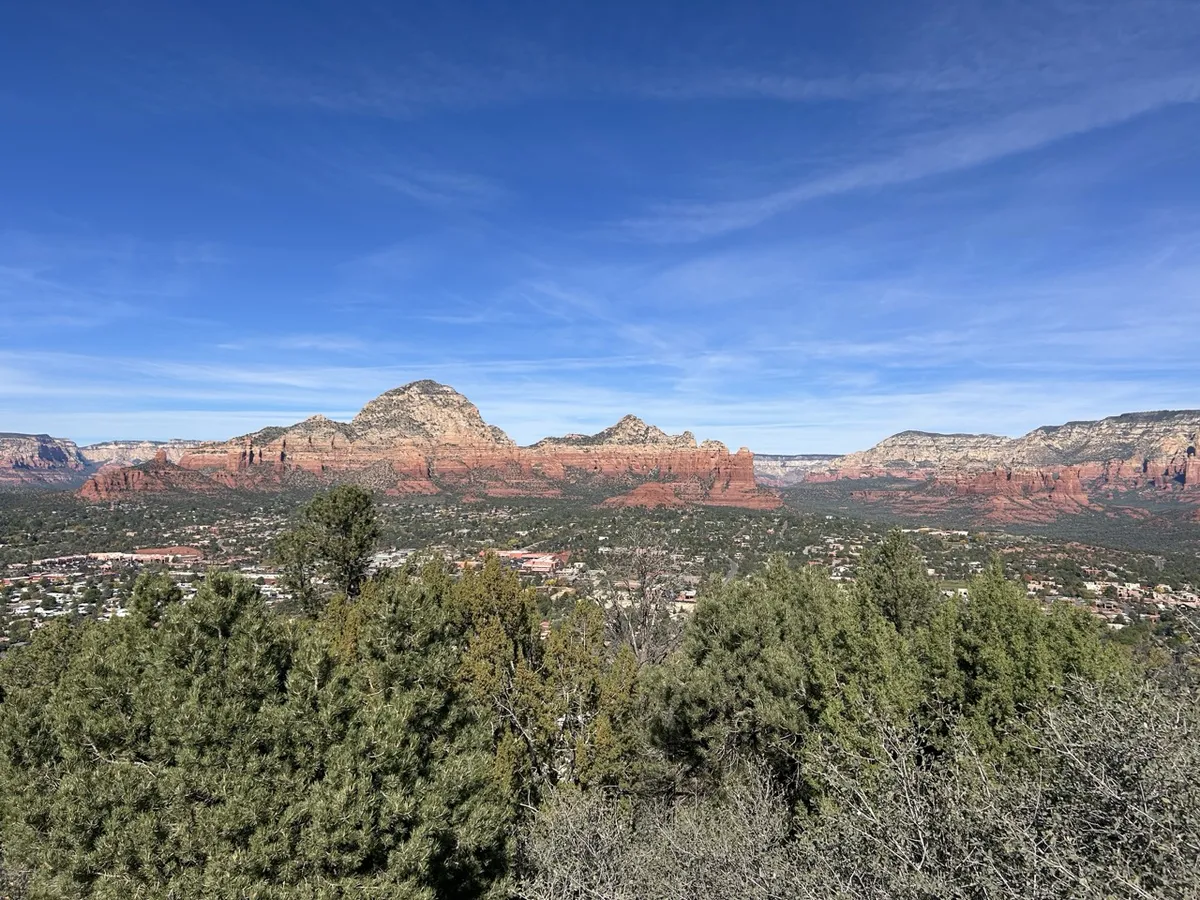 Views from airport mesa, which is the most famous lookout point in Sedona. The tallest peak in this photo is called 'Camel's Head'.
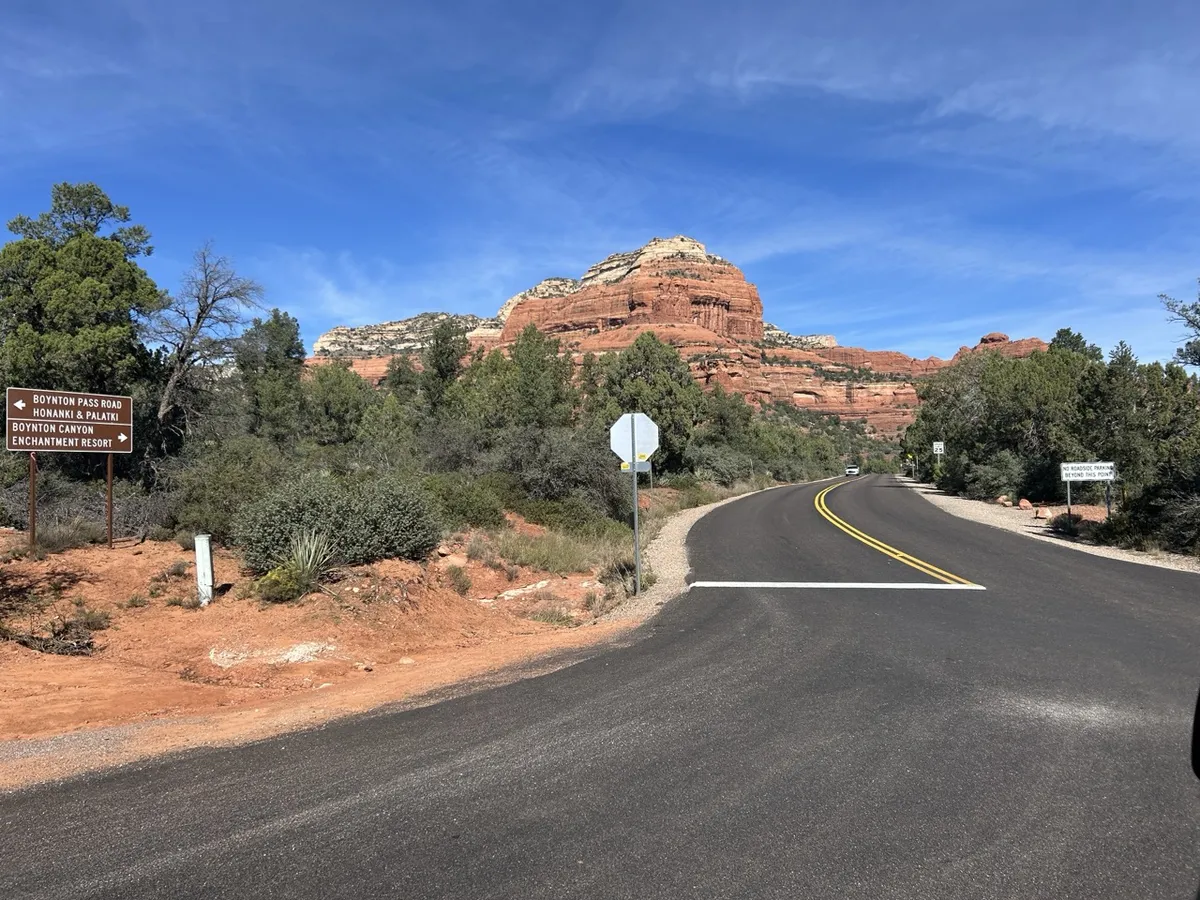 Heading on to Boynton Pass.
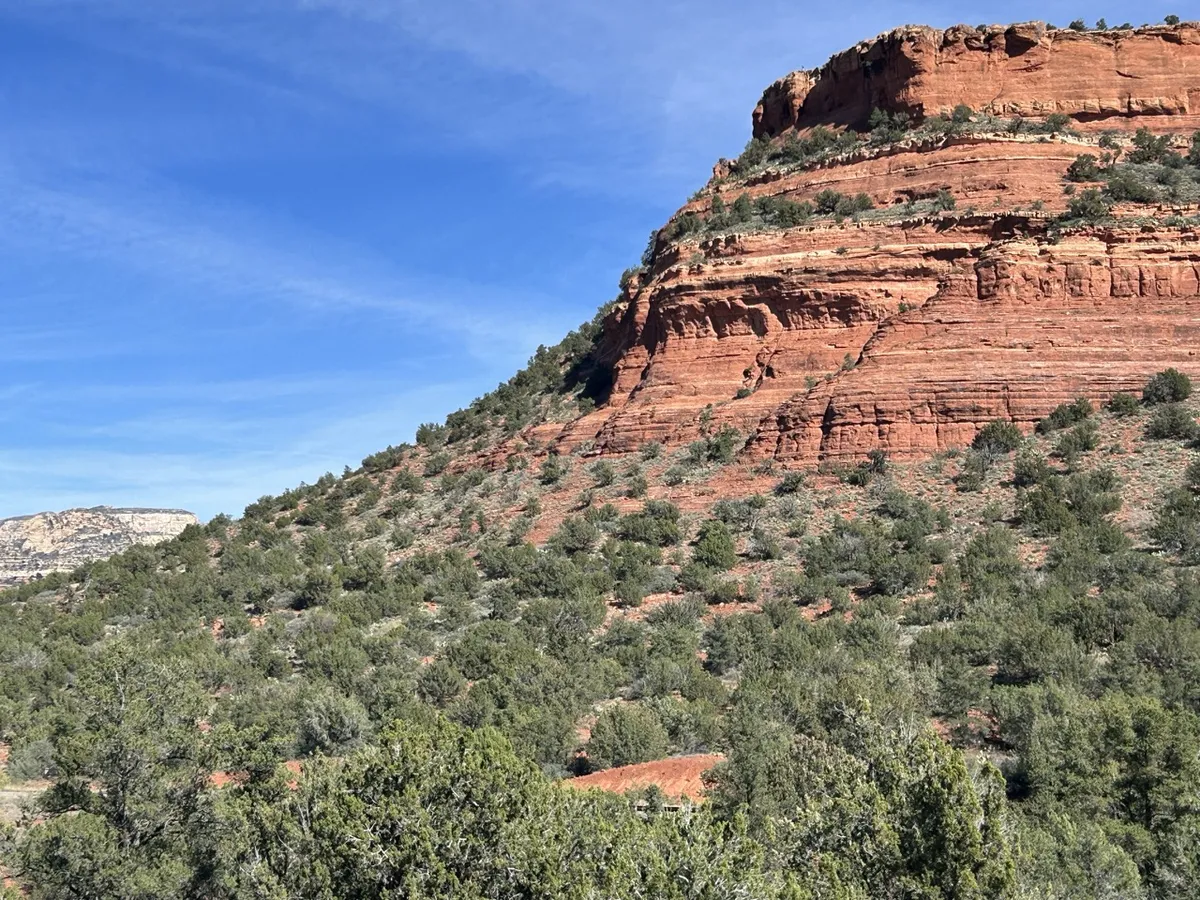 Our guide explained that each stripe in this photo is a separate layer of sand and mud that settled about 275 million years ago, when the area was a coastline. Iron oxide (rust) then turned it red.
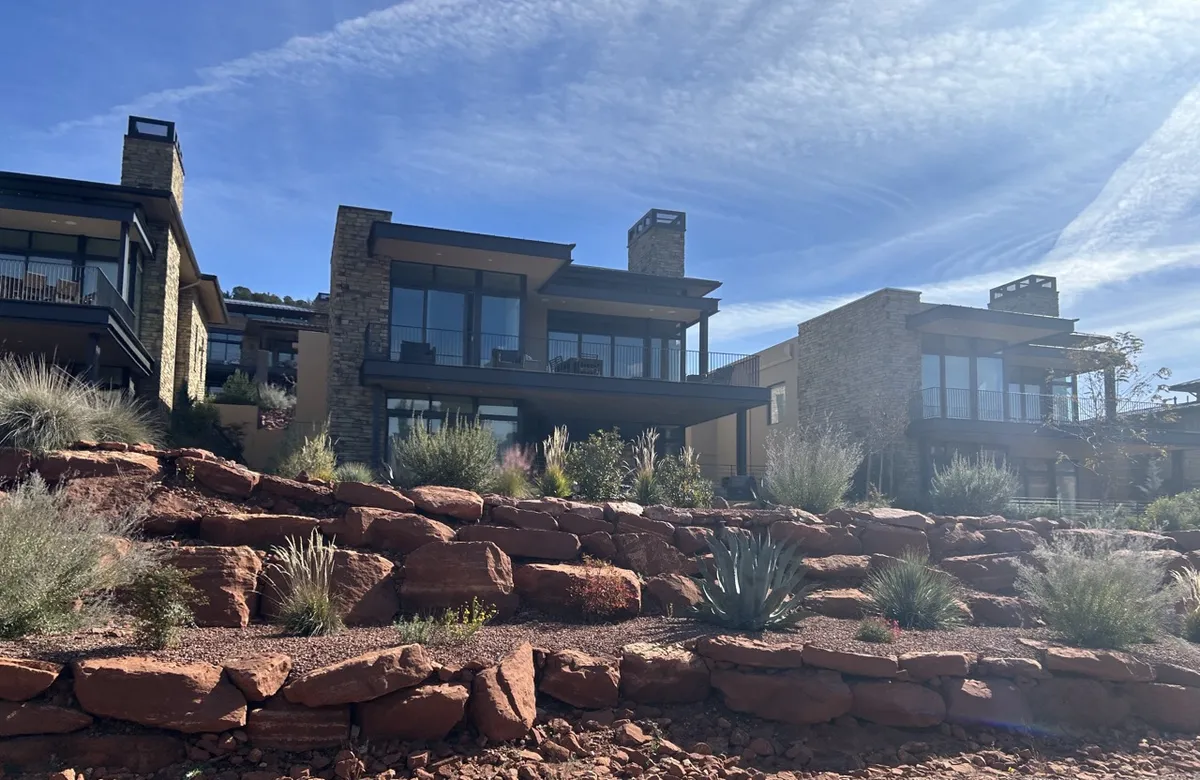 Passing by different homes in the mountains - Sedona is an extremely wealthy area, the median house price is between $1-1.2 million.
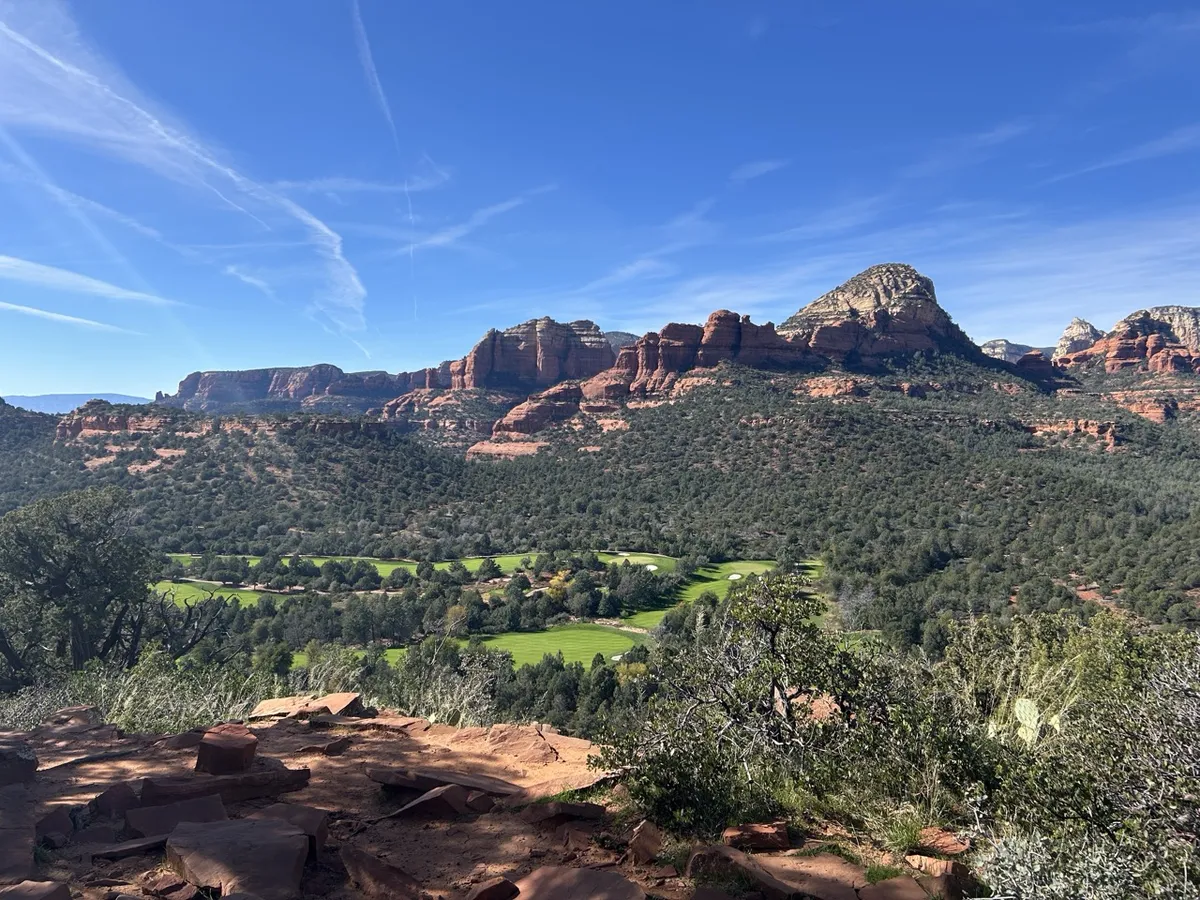 Looking down on Seven Canyons golf course from the Boynton Canyon trail
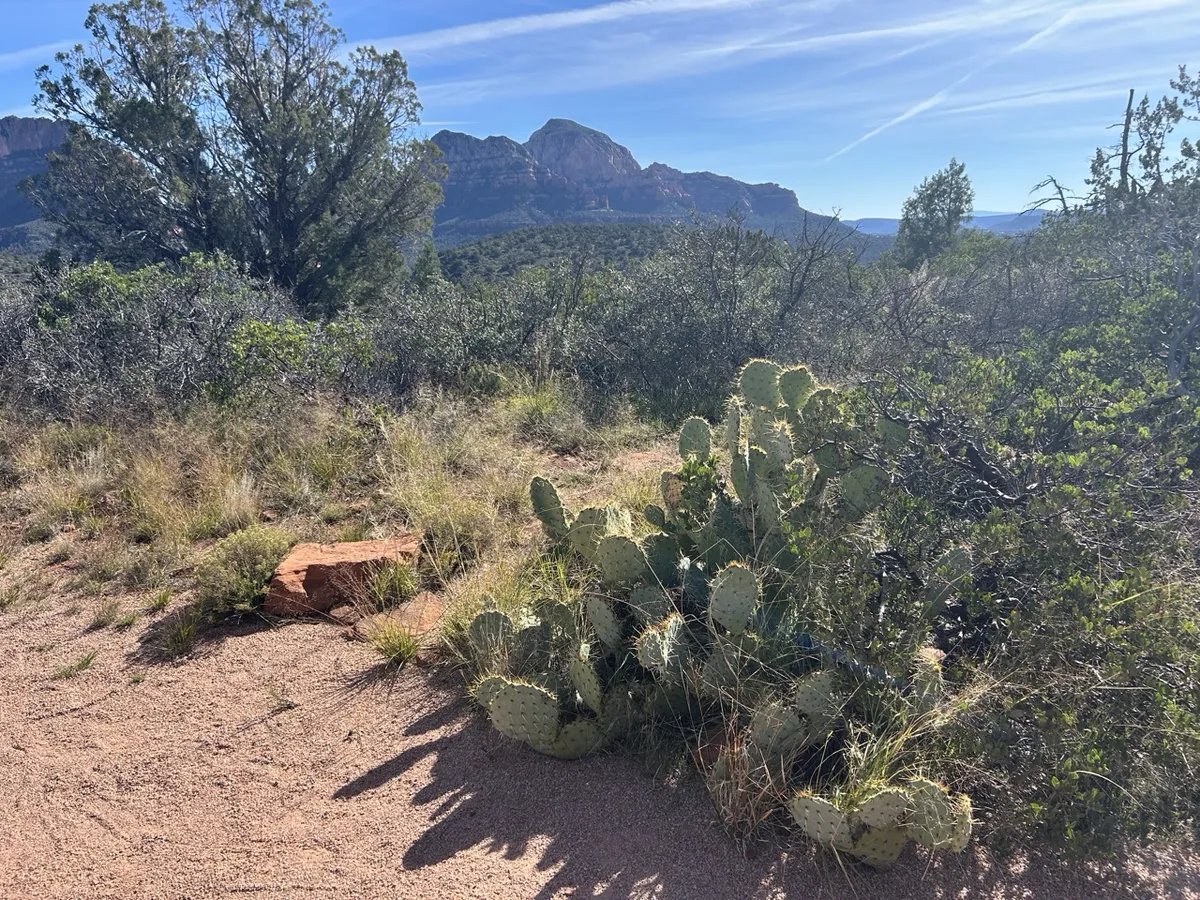 We were told to avoid stepping off the trail - the mountains are full of snakes (including rattlesnakes and coral snakes!), scorpions and coyotes.
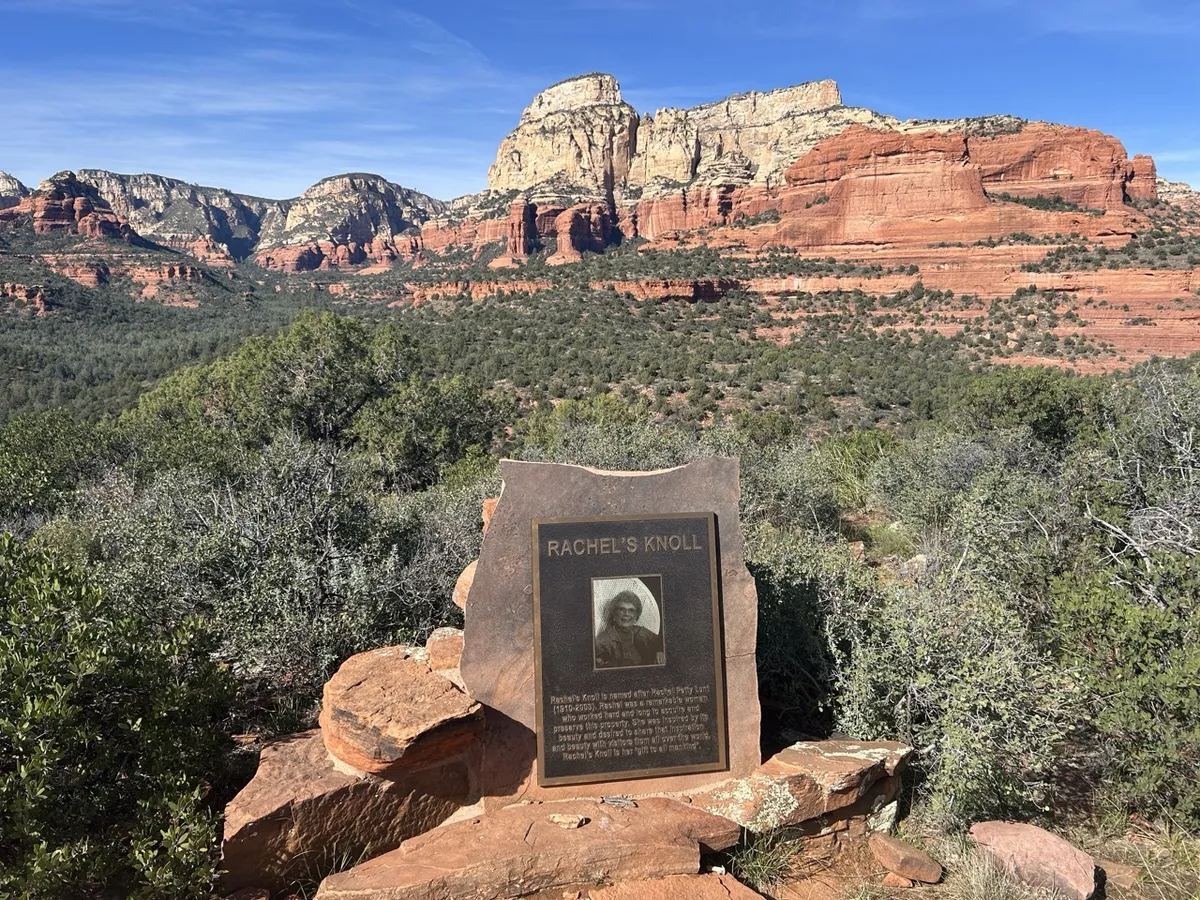 Our final stop was at 'Rachel’s Knoll', which is named after Rachel Petty Lunt who spent her life buying up the land around Boynton Canyon and felt the views and energy had helped her own health.
She believed the view should belong to everyone and in 1989, she dedicated it to humanity in her will. The knoll overlooks several energy vortexes, which are spots where the earth’s vibrations are believed to be especially strong. I checked my heart rate on my Apple Watch before and after standing on the vortex, and it changed by 15bpm.
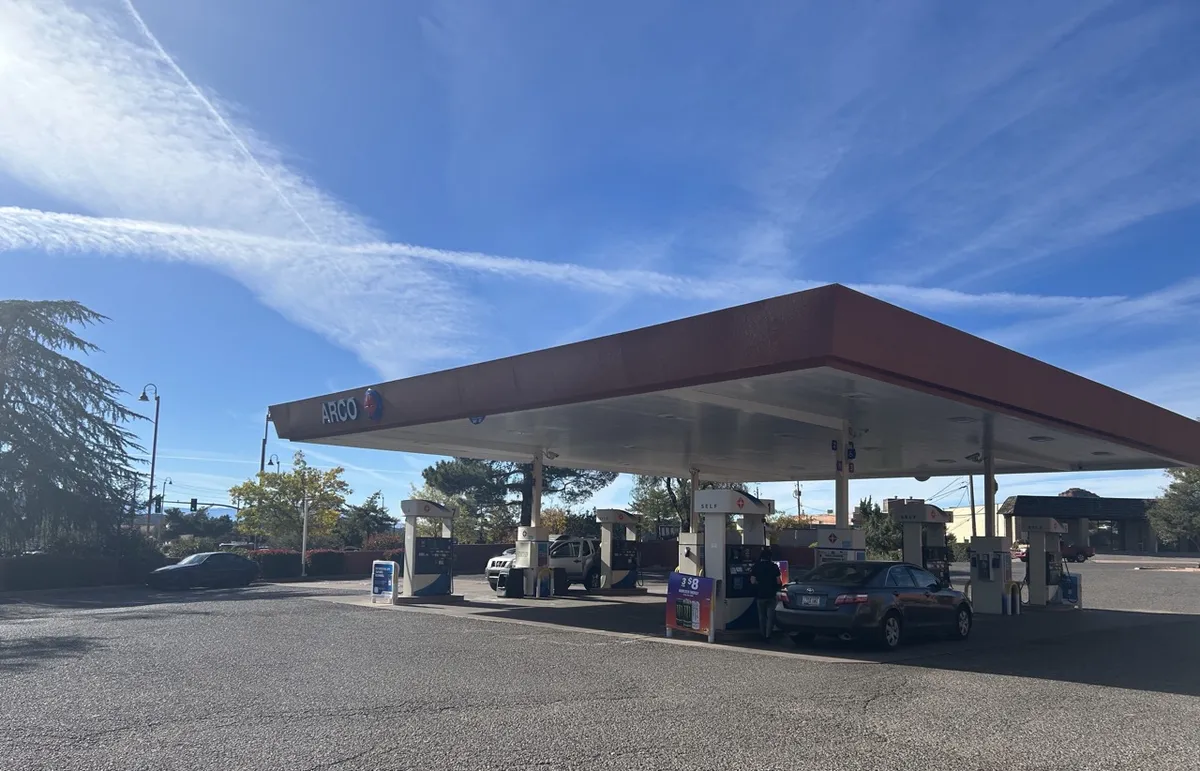 Getting ready to leave Sedona and waiting on my Greyhound pickup at the Arco gas station. Next stop, Tucson!